
Superior Thermal Insulation
Reduces heat gain and helps keep storage temperatures stable.
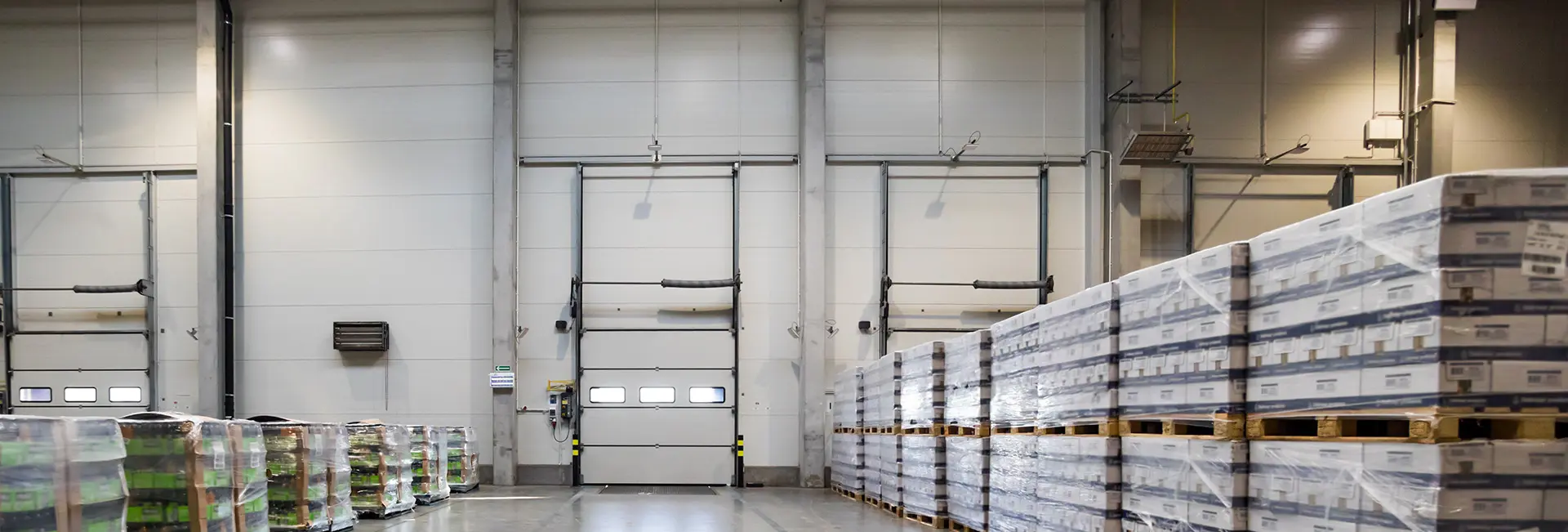
SQUARE insulated panels help food factories maintain stable cold storage conditions, reduce energy loss, and deliver long-term reliability.
Cold storage performance depends on the right panel system. Specialized panels help control heat transfer and improve system reliability.
Reduces heat gain and helps keep storage temperatures stable.
Performs reliably in both chilled and frozen environments.
Smooth surfaces support cleaning, hygiene control, and food safety.
Helps improve refrigeration efficiency and reduce energy loss.
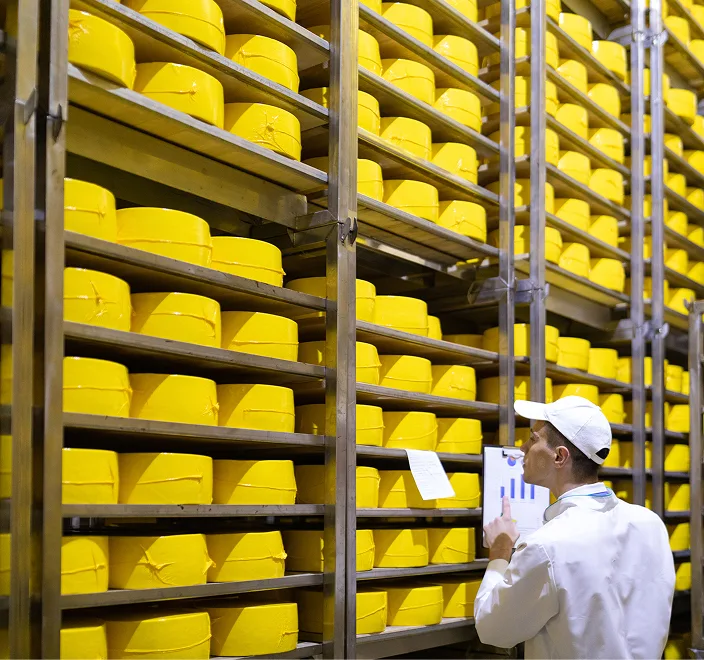
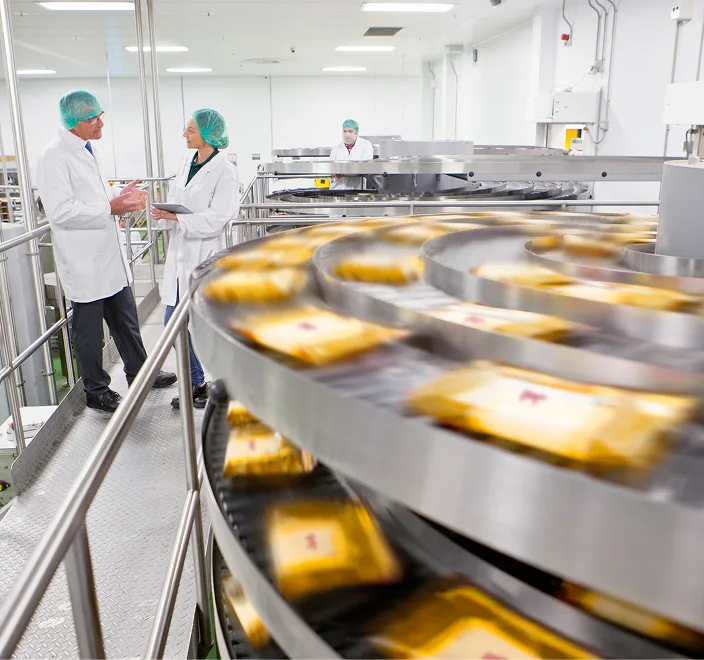
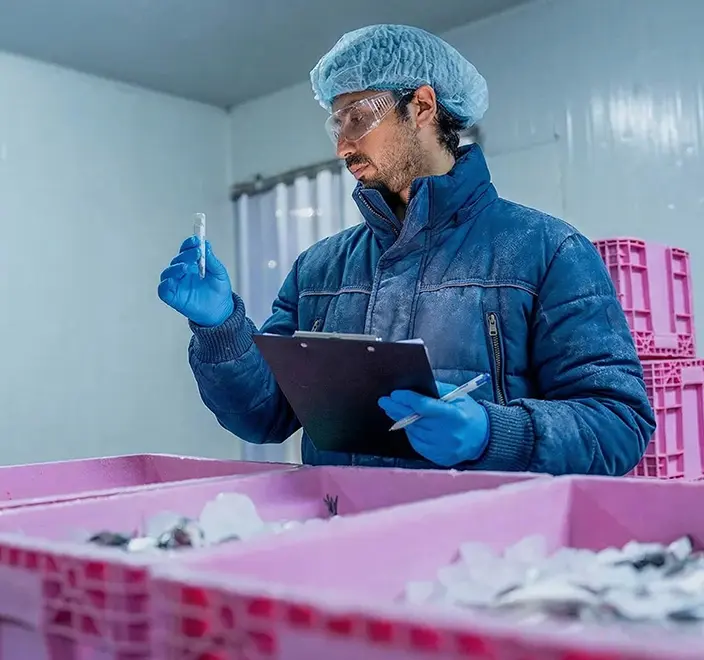
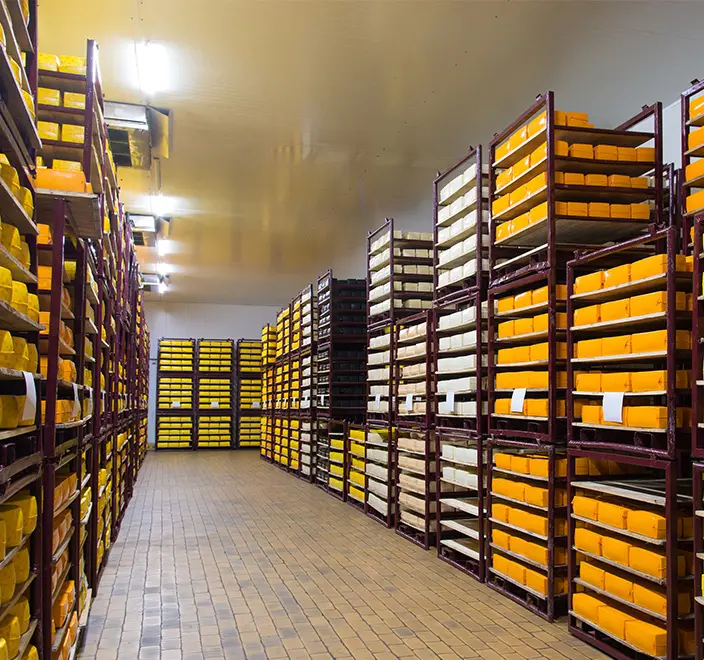
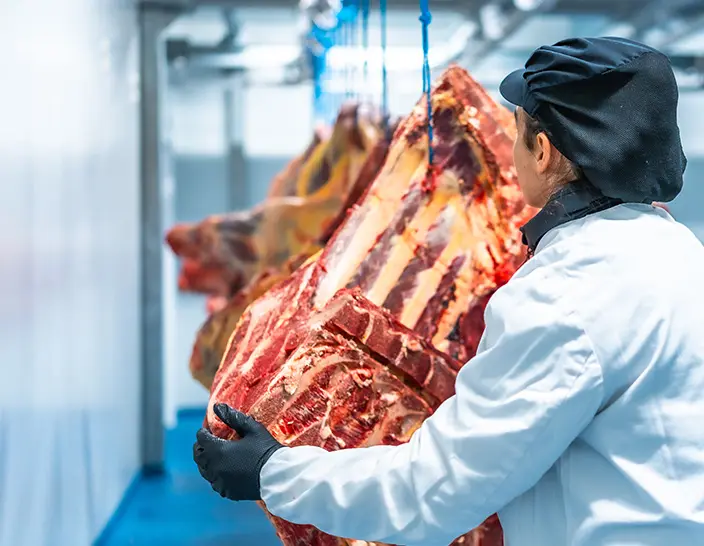
From chilled intake rooms to finished goods storage, each zone requires the right balance of insulation, strength, and durability.
Contact our engineers for project-specific panel thickness recommendations.
Backed by SQUARE Group’s cold chain experience,we support cold storage projects with reliable panel supply, technical coordination, and delivery support.
High-capacity production supports stable supply for cold storage projects.
Serving projects in 80+ countries with dependable delivery support.
From panel selection and layout coordination to installation guidance and after-sales support.
Built on decades of cold chain experience and project coordination.
From panel planning to installation guidance, SQUARE provides technical support related to insulated panel applications.
We assess project needs and recommend suitable panel thickness for efficient performance.
We generate detailed panel drawings for accurate coordination and efficient installation.
Panels are pre-cut to project dimensions to reduce site waste and save time.
We provide manuals and technical guidance to help contractors install with confidence.
The project used 150 mm PIR panels and electric sliding doors to support low-temperature storage performance within the required schedule.

Cold storage insulated panels are used to build the envelope of low-temperature areas in food plants, including raw material chillers, freezers, blast freezing rooms, transfer cold rooms, and finished goods storage. They form the walls, partitions, and ceilings of these spaces and work together with doors, joint details, and sealing components to create a stable, well-sealed cold storage enclosure.
Refrigeration equipment alone cannot compensate for poor insulation or weak airtightness. If the envelope leaks cold air or creates thermal bridges, compressors work harder, energy costs rise, and temperature fluctuations become more likely. A well-designed panel system helps the entire cold room operate more efficiently and more reliably over time.
The main benefits are more stable cold storage temperatures, better control of energy use, and easier standardization for future expansion. In practical terms, that can mean lower thermal loss, less frost and condensation, more consistent product quality, and a panel standard that can be repeated across different plants or future project phases.
Yes. PIR panels are the primary solution for high-performance cold storage because they combine strong insulation, energy efficiency, lighter weight, structural efficiency, and faster installation. In SQUARE’s product positioning, PIR is the preferred option for cold rooms and other high-insulation applications, with thermal conductivity as low as about 0.022 W/m·K.
Panel thickness should be selected based on the target temperature zone, room function, operating conditions, and project structure. Chilled rooms, frozen rooms, and blast freezing areas do not require the same specification. The best approach is to treat thickness selection as an engineering decision, not a generic product choice, and confirm it with project-specific recommendations.