
Weathering the Storm: How Quality IMPs Defend Against Extreme Weather

Jump to section
Extreme weather tests every building now—hurricane winds, pounding rain, heat waves, deep freezes, you name it. You can’t just build for comfort anymore; you build for defense.
When storms hit harder and stick around longer, your choice of construction materials decides how well your asset holds up. Many traditional wall systems rely on layers and joints that can fail under stress.
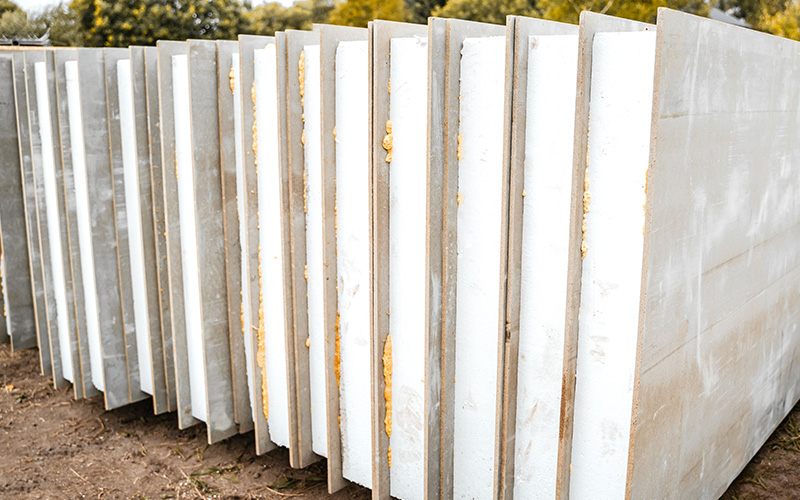
Water sneaks through gaps, heat escapes through weak spots, and parts can separate when wind and pressure rise. Quality Insulated Metal Panels (IMPs) protect your building by acting as a single, continuous barrier that resists wind, manages moisture, and controls heat in one system.
Defying the Wind: Structural Integrity & Impact Resistance
You count on quality IMPs to keep buildings steady during high winds. They use composite structural performance to resist wind load and impact.
- Mechanism: IMPs use a torsion box effect. Steel skins bond to a rigid foam core, so each layer supports the other.
- This composite action spreads wind load and shear forces across the panel instead of concentrating stress in one spot.
- Performance: The sandwich structure boosts structural integrity in metal buildings. It helps panels resist wind uplift and stay intact during pressure changes.
- Loads: IMPs handle more than wind. They also take on snow loads, shielding walls and roofing from long-term stress and fatigue.
- Specification: You should pick the right steel gauge. In high-velocity wind zones, heavy-gauge exterior steel—like 22-gauge—reduces denting and tearing from debris.
- Impact Resistance: High winds turn loose objects into projectiles. Many IMP systems meet ASTM E1886 and E1996 standards, which test resistance to missile impact and pressure cycling.
- Comparison: Unlike insulated concrete forms (ICFs), IMPs offer strong impact resistance with less weight. This helps cut structural demand while keeping a continuous load path.
- Integration: Pair IMPs with tested roofing for a durable envelope. That combo supports safer, longer-lasting building performance.
Managing Moisture & Thermal Stress: The Hydrothermal Defense
Controlling heat and moisture as one system—not as separate parts—keeps your building protected.
- U-Factor Focus: Insulation thickness isn’t the whole story. R-value per inch ignores joints, seams, and metal paths.
- Use U-factor to measure total heat flow through the full wall or roof. This gives you a better shot at energy efficiency in extreme cold and heat.
- System Performance: Treat IMPs as a complete assembly, not loose layers. Factory-made panels cut down on gaps that leak air and water.
- This design improves moisture resistance and long-term thermal stability.
- Dew Point Control: Big temperature swings can drive condensation inside walls. Closed-cell foam cores in IMPs act as a continuous vapor barrier.
- This design keeps the dew point outside the structural cavity and limits hidden moisture damage.
- Water Management: Pair IMPs with proper drainage systems to move bulk water away. Sloped surfaces, sealed joints, and flashing protect edges and penetrations.
- These steps support water-resistant materials and help reduce decay.
- Thermal Stress Relief: Plan for expansion when outside air drops to -20°C and inside stays near +20°C. Panel profiles, clips, and fasteners allow controlled movement.
- This approach limits thermal bowing and protects advanced insulation layers.
Securing the Weakest Links: Integration & Continuity
Long-term performance depends on treating integration as the heart of continuity. A wall system only performs as well as its joints and connections.
- Reality: You can use strong panels, but weak joints still fail during flooding, high winds, or fire. Water and air find gaps first, not solid materials.
- Solution: Reduce risk by using integrated joinery in quality IMPs. Factory-applied sealants give you consistent coverage and cure control.
- Field-applied sealants depend on weather, labor skill, and timing, so results can vary.
- Testing: Specify tested wall assemblies. Standards like ASTM E283 and ASTM E331 verify resistance to air and water infiltration under pressure.
- That matters in flood-prone regions.
- Windows: Fenestration points fail more often. Impact-resistant windows and glass must align with the IMP system to avoid breaks in the air and water barrier.
- Integration: Prevent leaks by choosing IMP-specific window systems. These systems remove common flashing steps, which often cause water intrusion in resilient homes.
- Materials: Pair IMPs with fiber cement siding or elements to strengthen continuity. These materials support fire resistance and keep stability during extreme heat or wind.
- Anchoring: Use proper anchoring systems to improve performance. Secure connections keep panels, windows, and structural frames working together under stress.
Speed as a Resilience Strategy: The “Dry-In” Advantage
Enclose the building fast, and you gain resilience. IMPs create a weathertight shell early in the schedule.
- Scenario: Building through changing seasons? Rain, wind, or cold can halt open framing. Faster dry-in limits weather exposure and keeps your schedule moving.
- Strategy: Use rapid building enclosure to lock out water and air as soon as panels go up. IMPs span across steel framing and tie directly into metal roofing, forming a continuous barrier.
- Method: Single-pass installation helps. IMPs combine air, water, vapor, and thermal control in one system, so crews install one product instead of juggling layers.
- Speed: You skip steps like housewrap, exterior sheathing, and extra insulation. With fewer trades on the wall, install time drops and coordination gets easier.
- Protection: Shield interior spaces, materials, and equipment from sudden storms during construction. Interior trades can start sooner with less risk of moisture damage.
- Compliance: Support building codes that require continuous control layers. Early dry-in helps inspectors verify enclosure performance without delays.
- Comparison: You dry-in faster than tilt-up or stud-and-stucco systems, which rely on staged layers. That time advantage lets you withstand weather before and after occupancy.
Frequently Asked Questions
Quality insulated metal panels handle high winds, heavy rain, and temperature swings through strong materials, tight joints, and stable insulation. They also support energy control and long service life when you install and maintain them correctly.
What features contribute to the durability of IMPs in severe weather conditions?
You get durability from steel facings bonded to a rigid foam core. This layered design resists wind pressure, impact from debris, and panel bending.
Factory-made joints with gaskets limit water entry during wind-driven rain. Secure fastening patterns and tested assemblies help the panels stay in place during strong storms.
In what ways do IMPs contribute to a building’s overall energy efficiency during extreme temperature shifts?
IMPs provide continuous insulation across the wall or roof. This limits heat loss in cold weather and heat gain during hot periods.
The tight panel joints reduce air leaks. You keep indoor temperatures steadier, even when outdoor conditions change fast.
What maintenance tips ensure the longevity of IMPs facing harsh weather conditions?
Inspect panels, fasteners, and sealants at least once a year. Look for loose screws, damaged coatings, or cracked seals.
Clean dirt and salt buildup from panel surfaces. Tackle dents or scratches quickly to protect the metal from corrosion.
How do the materials used in IMPs influence their performance during natural disasters?
Steel facings give the panels more strength, especially when high winds toss debris around. Protective coatings help slow down rust and surface wear, which matters a lot in wet or coastal regions.
The foam core keeps the panel’s shape steady and cuts down on heat transfer. Together, these layers help the panel stay solid and keep its insulation working, even during rough storms.
Want to Know More About Our Products?
View All Products Now