
The Enemy of Cold Storage: How IMPs Act as a Perfect Vapor Barrier
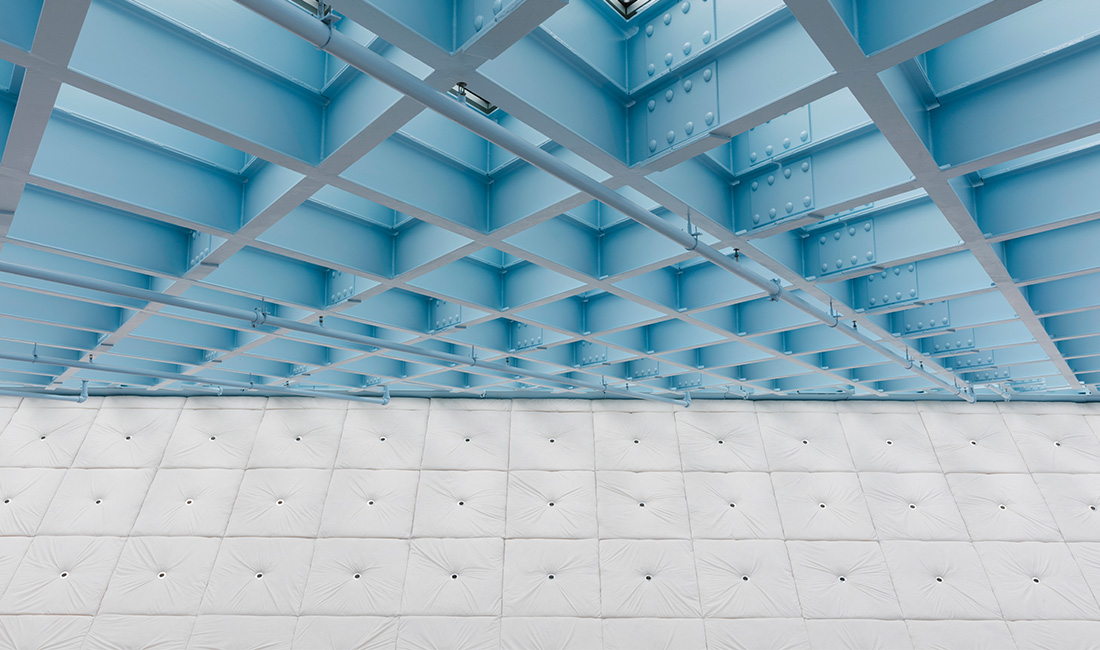
Even a small amount of moisture can spell disaster for cold storage, leading to ice buildup and energy loss. Insulated Metal Panels (IMPs) stop this problem at the source. Functioning as a continuous vapor barrier, IMPs seal the building envelope from the outside in. This simple, single-component solution eliminates the weak points of traditional construction, keeping the cold in and the moisture out.
Why Vapor Is The Arch-Nemesis Of Cold Facilities
Vapor threatens cold storage facilities by moving from warm to cold areas, where it condenses into liquid water and disrupts temperature control ,thermal performance, and hygiene stability.
- Physical Mechanism: Warm air holds water vapor that naturally migrates toward colder zones inside freezers, coolers, and pharmaceutical storage rooms. When this vapor hits cold surfaces such as a metal panel or insulation layer, it condenses. This process releases latent heat, raising local temperatures and reducing cooling efficiency. In practice, this means refrigeration systems must work harder to maintain set points.
- Moisture Infiltration: If vapor passes through walls or floors without a barrier, water accumulates in insulation, causing it to lose its thermal resistance (R‑value). Over time, the surrounding structure experiences thermal stress as frozen moisture expands and contracts. For operators, this translates to higher maintenance costs and shorter building‑envelope lifespan.
- Energy and Hygiene Impact: Excess condensation increases defrost cycles and energy demand. It also supports mold growth and microbial contamination, creating food safety risks in refrigerated warehouses storing temperature‑sensitive goods. A small leak in vapor control can therefore turn an efficient cold storage space into an uneven, energy‑intensive environment.
- Operational Consequence: Because vapor intrusion undermines consistent thermal performance, every inch of the cold storage facility envelope—walls, ceilings, and floors—must be designed to block vapor drive effectively.
The IMP Solution: An All-In-One Shield
Insulated metal panels (IMPs) form complete building envelopes for cold storage by combining a tough metal face, a closed-cell foam core, and sealed joints that block air and vapor flow. Each part works together to reduce moisture intrusion, maintain temperature consistency, and simplify installation.
The Armor: Impermeable Faces
The outer faces of IMPs use pre-finished steel or aluminum sheets (EAV) coated with high-performance paint systems such as PVDF or SMP. These coatings resist corrosion and ultraviolet degradation, extending surface life even in moist or chemical environments.
Because metals have extremely low vapor permeability, these faces create an impermeable barrier that prevents moisture vapor from moving through wall assemblies. In cold storage, this stops condensation inside insulation layers.
Manufacturers such as Kingspan Insulated Panels and Metl-Span apply continuous finishing processes that seal edges and coating interfaces. For the user, this means lower maintenance demands and longer performance cycles in food processing and warehouse environments.
The Core: Closed-Cell Foam
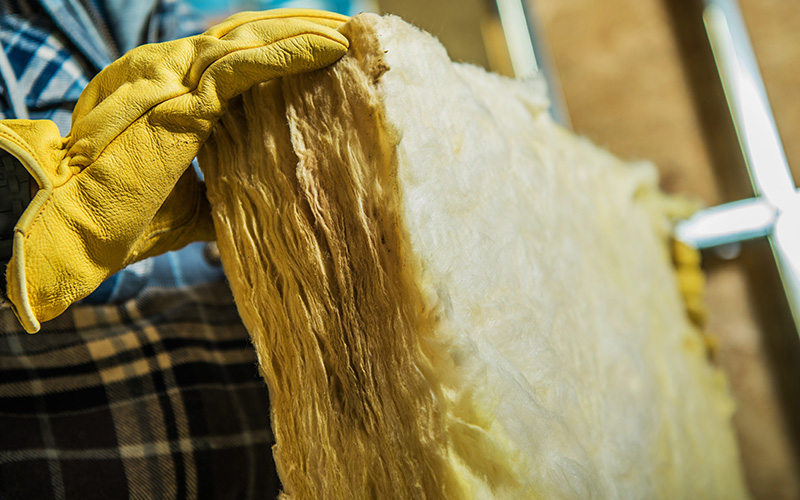
The insulated core typically consists of polyisocyanurate (PIR) or polyurethane (PUR) foam with a closed-cell structure filling more than 90% of its volume (EAV). Because the cells trap gas, heat conduction is sharply reduced.
This design forms both a thermal barrier and a vapor stop, since each cell resists moisture diffusion. In other words, vapor has no connected pathway to travel through the core. For facility operators, this translates to uniform freezer temperatures and reduced compressor loads.
Compared to open-cell alternatives, closed-cell foams absorb less than 2% water by volume, keeping R-values stable even in humid conditions.
Comparative Advantages
Insulated metal panels replace multi-layer wall systems that require separate vapor barriers, sheathing, and insulation. By integrating all layers, they reduce construction time and cost.
For builders, this simpler assembly reduces installation errors that often create thermal bridges or air leaks. For cold storage operators, that reliability means consistent environmental control and predictable energy use.
Winning the Battle at the Joints
Even with a perfect panel, weak joints can cause temperature loss, condensation, and long-term insulation failure. The joint design must control air, vapor, and water movement through clear application rules and consistent barrier continuity.
The Warm Side Rule
The Warm Side Rule defines where to place vapor sealant for insulated metal panels (IMPs) in cold storage construction.
- Definition: The vapor barrier must be installed on the warm side of the insulation layer.
- Reason: Moisture always moves from warm to cold zones. When sealant or vapor control is misplaced, vapor condenses inside the insulation and lowers its r-value.
Key Methods:
- Sealant Application: Butyl or silicone sealants are applied to the interior (ambient side) panel joints. This locks out humid air before it can reach the cold face.
- Joint Design: Manufacturers use interlocking tongue‑and‑groove joints that align the sealant plane with the vapor line.
- Practical Meaning: For installers, observing the warm-side rule preserves the panel’s thermal insulation and prevents costly ice buildup in the wall system.
In other words, by controlling where vapor stops, builders control durability and structural integrity.
Continuity
Definition: Continuity means every part of the air, vapor, and water barrier connects without gaps from wall to roof or around penetrations.
Key Elements:
- Connection Points: Roof‑to‑wall and wall‑to-floor joints must overlap or seal with compatible barrier materials.
- Formed Corner Panels: Using factory-formed corner panels eliminates cut edges, improving long-term weather resistance.
- Inspection: Installers check seams, penetrations, and fasteners to confirm an unbroken air barrier. Even small gaps create condensation risks.
Why It Matters:
A continuous envelope keeps insulation materials dry, maintains r‑value, and avoids thermal bridging. In practice, this means stable internal temperatures, lower energy use, and predictable performance over the building’s lifespan.
Beyond Physics: The Financial Victory
Definition: The financial advantage of using IMPs comes from how their vapor-tight structure directly reduces energy loss, operating costs, and material waste over time.
- Energy Efficiency: Because each Insulated Metal Panel (IMP) uses a continuous metal skin and closed-cell insulation core, it blocks vapor migration and thermal bridging. This stable barrier limits compressor cycles, cutting electricity use by up to 30% in typical cold storage systems. For the operator, this means fewer power fluctuations and more predictable energy bills.
- Operating Costs: When frost and condensation stay out, system stress drops. Since there’s less ice accumulation on coils and doors, maintenance intervals lengthen and cleaning becomes simpler. In practice, reduced service calls lower both labor and downtime expenses.
- Sustainability: An IMP’s long service life—often exceeding 40 years—comes from corrosion-resistant steel and rigid insulating foam that resists moisture aging. This durability reduces replacements and resource consumption, supporting lower annual environmental impact.
- Embodied Carbon: Because IMPs combine structure, insulation, and vapor barrier in a single assembly, construction uses fewer materials and transport steps. That consolidation trims embodied carbon per square meter compared to multi-layer wall systems, helping projects align with net-zero goals.
Conclusion: Seal It Tight, Sleep at Night
A proper vapor barrier relies on continuity. IMPs achieve this through factory-designed interlocking seams that form an air-and-vapor-tight seal. With permeability rates below 0.05 perms, the metal-and-foam composition stops vapor migration before it reaches the dew point. By further securing laps and roof-to-wall connections with sealants, the system prevents the internal icing that compromises insulation, guaranteeing steady interior temperatures.
Key installation checks:
- Inspect every joint after panel placement.
- Seal all cuts, fasteners, and corners.
- Verify that indoor humidity stays within design limits.
IMPs serve as a dependable line of defense against vapor drive—but only when installed with precision. Consult qualified professionals to ensure every seam stays tight and every barrier remains intact.
Frequently Asked Questions
How do IMPs contribute to maintaining the desired temperature in cold storage units?
IMPs contain a rigid insulating core—often made of polyisocyanurate or expanded polyurethane—sealed between two metal sheets. This design forms a continuous thermal barrier, minimizing heat flow between the inside and outside environments.
Because these cores use closed-cell foam, they resist moisture absorption, allowing consistent insulation values even in humid climates. For operators, this means the system requires less mechanical cooling to sustain internal temperatures.
In what ways do vapor barriers protect the structural integrity of cold storage buildings?
A vapor barrier blocks moisture diffusion through the building envelope, preventing condensation inside wall cavities and under concrete slabs. When vapor is not controlled, trapped moisture can lead to corrosion of metal decking, mold formation, and freeze-thaw cycles that damage joints.
By integrating the vapor barrier within the IMP assembly, builders remove the need for multiple layers of protection. This simplifies the construction process and lowers the risk of future maintenance problems, especially in facilities exposed to continuous refrigeration cycles.
Can vapor barriers help in reducing energy costs for cold storage operations, and how?
Yes. When an IMP’s vapor barrier prevents moisture infiltration, the insulation core stays dry and maintains its rated R-value. A higher R-value directly reduces thermal loss, so compressors and chillers work less to stabilize interior temperatures.
In practice, this translates to measurable energy savings and reduced operating costs over time. It also supports product safety because temperature variations become less frequent, lowering the risk of spoilage or compromised storage conditions.
What installation practices ensure the maximum efficiency of IMP vapor barriers?
To perform properly, IMP joints must be sealed with manufacturer-approved gaskets or sealants that maintain airtight continuity. Installers must align panels correctly, as small gaps can allow vapor leakage and ice buildup.
Proper installation also includes placing vapor barriers on the warm side of insulation to stop condensation before it enters the wall system. In the construction industry, following these steps ensures both design flexibility and long-term performance—protecting the structure and its stored goods from temperature and moisture damage.
Want to Know More About Our Products?
View All Products Now