
Stop the Frost: Cold Storage Moisture Control & Vapor Barrier Best Practices
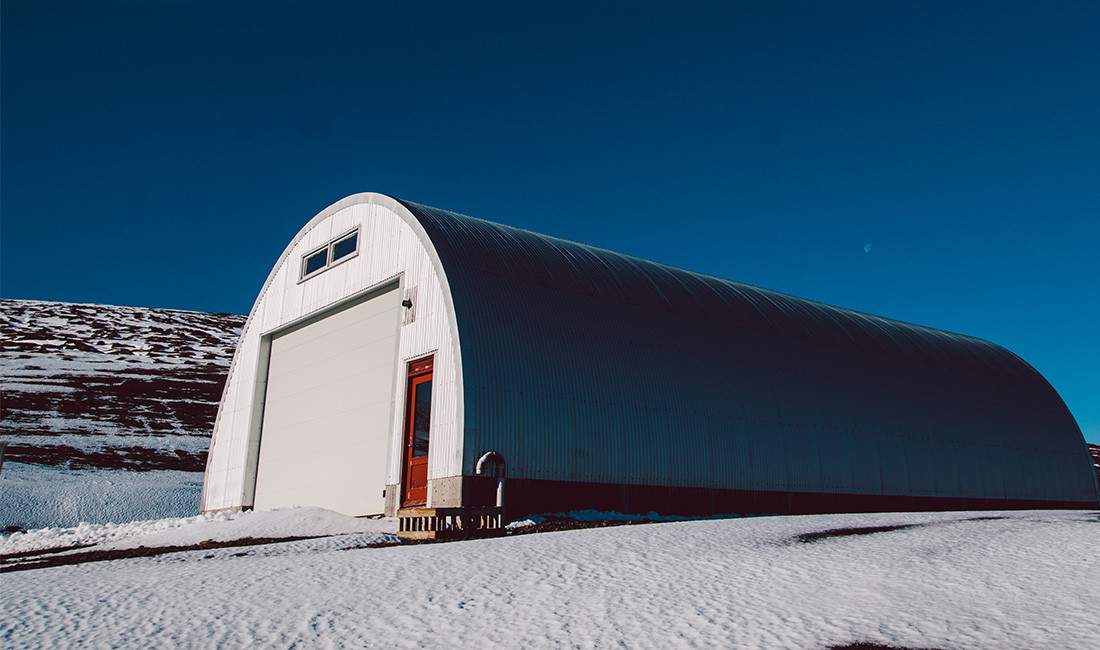
Frost shows up in cold storage when warm, humid air sneaks in and hits cold surfaces, condensing into water—then freezing. You prevent frost by blocking moisture with a continuous vapor barrier on the warm side of the insulation, sealing every joint, seam, and penetration to keep air out. This method matters because moving air brings in way more moisture than slow vapor diffusion, so sealing up stops most of the trouble.
Good cold storage design thinks about vapor drive, panel selection, and joint tightness. PIR panels outperform old-school EPS because their closed-cell makeup barely absorbs water, so insulation keeps its oomph. That means steadier temps, less energy wasted, and fewer icy surprises hidden in the walls or ceiling.
The real trick is nailing the build quality and keeping up with regular checks. Tight seals, protected transitions from wall to floor, and watching for damaged joints keep small leaks from snowballing into frost headaches. Operators get safer storage, fewer interruptions, and more consistent performance—at least, that’s the goal.
Understanding the Science of Moisture Ingress and Vapor Barrier Functionality in Cold Storage
Moisture issues in cold storage start with physics. Differences in temperature and pressure push water vapor toward colder spaces, so you need to block that movement at the right spot with a vapor barrier.
The Thermodynamic Mechanism of Vapor Pressure Drive
Warm air can hold more moisture than cold air. This difference creates a vapor pressure drive, pushing vapor from warm to cold areas—usually from outside air into your freezer walls.
Vapor gets in two main ways:
- Air leakage through gaps, seams, and penetrations
- Diffusion through solid materials, depending on how permeable they are
Air leaks move way more moisture than slow diffusion. Even tiny openings can create big frost headaches.
A vapor barrier (or retarder) works by slowing vapor flow to a crawl, keeping moisture out of the insulation so it can’t freeze and ruin the R-value.
The Critical Role of Warm Side Installation in Preventing Internal Condensation
Designers put the vapor barrier on the warm side of insulation for a reason: vapor condenses when it cools below its dew point.
With the barrier on the warm side, vapor can’t get into the insulation, so condensation stays outside the wall system. That keeps hidden ice and long-term damage at bay.
There are a few vapor barrier materials—foil laminates, reinforced poly sheets, that sort of thing—but the key is super low vapor permeability. Basically, almost nothing gets through.
If someone puts the barrier on the cold side, vapor condenses inside the wall, leading to frost, corrosion, and soggy insulation before you know it.
Identifying Common Causes And Failure Points Of Cold Storage Condensation
Condensation happens when warm, humid air meets cold surfaces below its dew point. In cold storage, this cycle repeats constantly, leading to moisture buildup on walls, ceilings, coils, and floors. That water freezes, melts, and refreezes, wearing down both the building and equipment.
Entry points are a big culprit. Every time a door opens, humid air rushes in as pressures equalize. Worn dock seals, misaligned doors, and open staging areas let in even more air. You’ll often spot frost and slick floors near these spots first.
Structural details matter too. Thermal bridging happens when metal fasteners, steel columns, or pipe supports cut through insulation. These bits conduct heat fast, making cold spots. Isolated condensation might look minor, but it feeds ice growth over time.
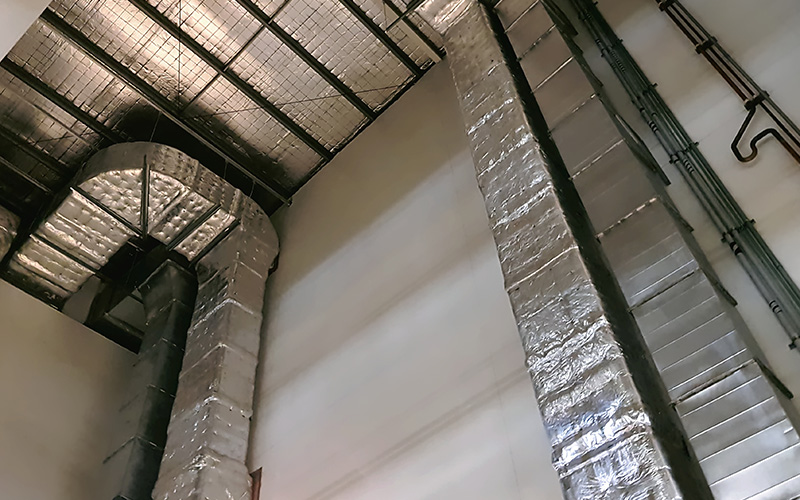
Gaps in the vapor barrier create another headache. Breaks at wall-to-ceiling joints, floor junctions, or utility penetrations let vapor sneak into insulation cavities. Once inside, moisture condenses and stays hidden, killing insulation value and making refrigeration work harder.
Common failure points to keep an eye on
| Location | Typical issue | Practical result |
| Dock doors | Compressed or torn seals | Wet floors, frost lines |
| Panel joints | Incomplete vapor seal | Hidden condensation |
| Metal penetrations | Uninsulated contact | Local ice formation |
| Staging areas | Long door open times | Ongoing moisture buildup |
Comparing PIR Panels And Traditional EPS Panels For Moisture Resistance In Refrigerated Environments
Cold storage walls and roofs need to block heat flow and moisture, period. The core you pick affects insulation, vapor movement, and how long things actually last in the real world.
Introduction To Core Insulation Materials For Cold Storage Envelopes
Most cold storage uses insulated metal panels (IMPs) with foam cores for a tight envelope. These panels act as continuous insulation, cutting down thermal bridges and air leaks.
Two main core types pop up: PIR (polyisocyanurate) and EPS (expanded polystyrene). Both support wall and roof systems in freezers and coolers, but they handle heat and moisture differently over time.
Moisture control is just as important as R-value. Water vapor inside the panel can condense, freeze, and damage insulation, which means higher energy bills and unstable temps.
Technical Differences Between PIR And EPS In Moisture Absorption And R-Value Retention
PIR is a closed-cell thermoset foam that barely soaks up water. Its typical thermal conductivity is around 0.022 W/m·K. The trapped air and gas keep R-value steady, even in damp conditions.
EPS also has closed cells, but it’s made from fused beads. Its thermal conductivity is about 0.037 W/m·K. If moisture gets between the beads, insulation takes a hit—so you get more heat sneaking in over time.
Advantages And Disadvantages Of PIR Vs. EPS Insulation Systems
PIR panels give you dense insulation thanks to low thermal conductivity, so you can use thinner panels and still hit freezer specs. That means more usable space and lower energy bills. Plus, PIR cores bond well to metal skins, making the panels stiffer and improving vapor control.
The downside? PIR panels cost more up front.
EPS panels are cheaper and lighter, which makes handling easier and reduces initial costs. For medium-temp rooms, they can do the job.
But in wet or really cold spaces, EPS can lose R-value if it gets damp. Over time, that means more frost and higher cooling loads.
How To Choose The Optimal Panel Type For Your Facility
PIR is ideal for freezers below -20°C, high-humidity areas, and places that run year-round. Its stable R-value and vapor resistance protect both insulation and stored goods. The energy savings can eventually make up for the higher price.
EPS makes sense for coolers above 0°C, temporary setups, or projects with tight budgets. It works best when humidity is low and temps don’t swing much.
Honestly, it comes down to matching your panel to temperature, moisture, and how long you want it to last. That keeps the building envelope dry and efficient.
Technical Implementation of Airtight Sealing and Joint Integrity for PIR Panels
Getting airtight joints in PIR panels takes careful compression, continuous insulation, and a solid vapor barrier. Most leaks start at joints and penetrations—where air drags in moisture and causes frost.
The Three-Layer Protocol For Achieving Panel Joint Hermeticity
Layer 1: Primary Mechanical Seal
Install panels using cam locks that pull the edges together with steady pressure. This compresses joint gaskets just right, blocking air paths that would let moist air sneak into the joint during pressure shifts.
Layer 2: Core Insulation Seal
Fill the joint cavity with closed-cell polyurethane foam. That foam blocks airflow through the joint, cutting down on hidden cold spots where frost could start growing.
Layer 3: Vapor-Tight Outer Shield
Use a warm-side sealant made for subzero temps, then cover it with vapor-tight tape. This outer layer acts as the vapor retarder, stopping indoor moisture from ever reaching the cold joint.
Sealing Techniques For Utility Penetrations And Structural Ceiling Hangers
Every time you cut through a PIR panel, you create a moisture path. Seal pipe and conduit holes with pre-sized grommets or molded EPDM gaskets. These stay flexible in the cold, which matters because rigid seals crack when temps swing.
After setting the gasket, fill the gaps with closed-cell foam and trim it flush once it cures. Finish off with a warm-side vapor sealant and tape, running at least 50 mm onto the panel face. For ceiling hangers, sleeve the rod, seal the sleeve to the panel, and keep metal away from cold surfaces.
This “no blind spot” approach keeps air, heat, and vapor control unbroken—even at those tricky spots that usually cause problems.
Construction Best Practices For Preventing Structural Frosting And Ice Build-Up
Cold storage construction has to keep air, heat, and moisture in check at every joint. Frost forms when warm, humid air sneaks in and hits cold surfaces—it condenses, then freezes. So, builders try to seal up gaps, slow down air movement, and shield cold surfaces as much as possible.
A continuous vapor barrier really matters. Polyethylene sheets with overlapped seams, all taped and sealed, do the trick. Even the smallest break lets moisture sneak in. When it’s done right, you’ll see less ice inside the walls and the insulation lasts longer.
Sealants need to run as a solid bead at panels, floors, and ceilings. Crews should apply them in one steady pass—no gaps, no air pockets. If you’re operating the facility, this means you’ll have fewer hidden air leaks causing frost behind panels.
Doorways are a problem area. Air locks, air curtains, and strip curtains all help slow down warm air getting in when people come and go. They cut frost on doors and help keep floors less slippery near entrances. Not perfect, but definitely better than nothing.
Refrigeration layout makes a difference, too. You want the refrigeration unit to move air evenly, not blasting directly at doors or joints. Otherwise, you’ll get cold spots that attract moisture and ice.
Field quality checks help spot issues before they become headaches:
- Look for continuous vapor barriers at walls, floors, and ceilings.
- Make sure door gaskets compress fully when closed.
- Watch for exposed steel in supports—it can bridge cold and cause frost.
Managing temperature and humidity while you install everything helps adhesives and sealants cure right. If you skip this step, you’ll probably see early failures and unwanted ice or moisture later on.
Long-Term Maintenance And Operational Strategies For Effective Condensation Control

Cold storage facilities really depend on steady moisture control—that means regular checks and a few clear rules. Teams should inspect door seals, vapor barrier joints, and floor drains on a schedule. Even a small gap can let humid air in, and that’s all it takes for condensation to start on cold surfaces.
Humidity sensors are key. Stick them near doors, ceilings, and evaporator coils so you can track moisture in real time. This way, staff can jump on rising humidity before frost gets a chance to show up.
Active dehumidification helps dry out the air before it gets to the cold zones. Standard refrigerant dehumidifiers work fine in staging areas, while desiccant dehumidifiers handle low‑temperature docks—they pull water out without relying on cold coils. This keeps the air dry enough so you won’t get much condensation when doors open.
Refrigeration gear needs attention, too. Keep evaporator coils clean—dust and ice block airflow and make frost worse. Set defrost cycles based on real humidity, not just a timer. That way you avoid too much ice and don’t waste energy.
- Calibrate humidity sensors every few months—keeps readings accurate.
- Clean coils regularly for steady airflow and less frost.
- Change up defrost cycles as seasons shift—saves energy and cuts ice.
- Service dehumidifiers once a year so they keep doing their job.
These steps help with energy efficiency too. Drier air freezes less, so the system doesn’t have to work as hard to keep things cold.
Frequently Asked Questions
What are effective strategies for moisture control in residential buildings?
Builders seal air leaks, manage indoor humidity, and put vapor barriers on the warm side of insulation. For example, 6‑mil polyethylene sheeting (about 0.06 perms) keeps water vapor from sneaking through. This helps stop hidden condensation inside walls, which is always a pain to fix.
Mechanical ventilation matters, too. Balanced systems like energy recovery ventilators swap out moist air for fresh air while keeping most of the heat inside. For residents, this usually means drier walls and way less mold risk.
How do you manage condensation issues within cold storage areas?
Operators try to keep warm, humid air away from cold surfaces. A solid vapor barrier with sealed seams blocks most vapor movement. Even tiny leaks can let air (and moisture) in, so you’ve got to be thorough.
Surface temperature matters a lot. Insulated metal panels with sealed joints act as both insulation and vapor barriers. They keep wall surfaces above dew point, so you don’t get much frost on floors or gear.
What are the best moisture-absorbing materials for use in storage bins?
Silica gel can soak up about 40% of its weight in moisture when it’s humid. Its porous structure traps water vapor, so it’s great for sealed bins—think tools, electronics, or dry goods you want to keep safe from damp air.
Calcium chloride works differently. It actually pulls moisture in and turns into a salty liquid, so it’s better for open containers or bins you can drain. It handles bigger moisture loads, but you’ll need to swap it out regularly.
What guidelines does the EPA provide for moisture control in buildings?
The EPA recommends keeping indoor humidity below 60%, ideally between 30% and 50%. Lower humidity helps stop mold, since most mold spores just won’t thrive without enough moisture.
The agency also urges people to fix leaks fast and make sure water drains away from buildings. If you spot a roof or plumbing leak, try to repair it within a day or two—otherwise, you might end up with bigger moisture problems down the line.
Want to Know More About Our Products?
View All Products Now