
Pole Barn Insulation: Why IMPs Are the Best Retrofit Solution
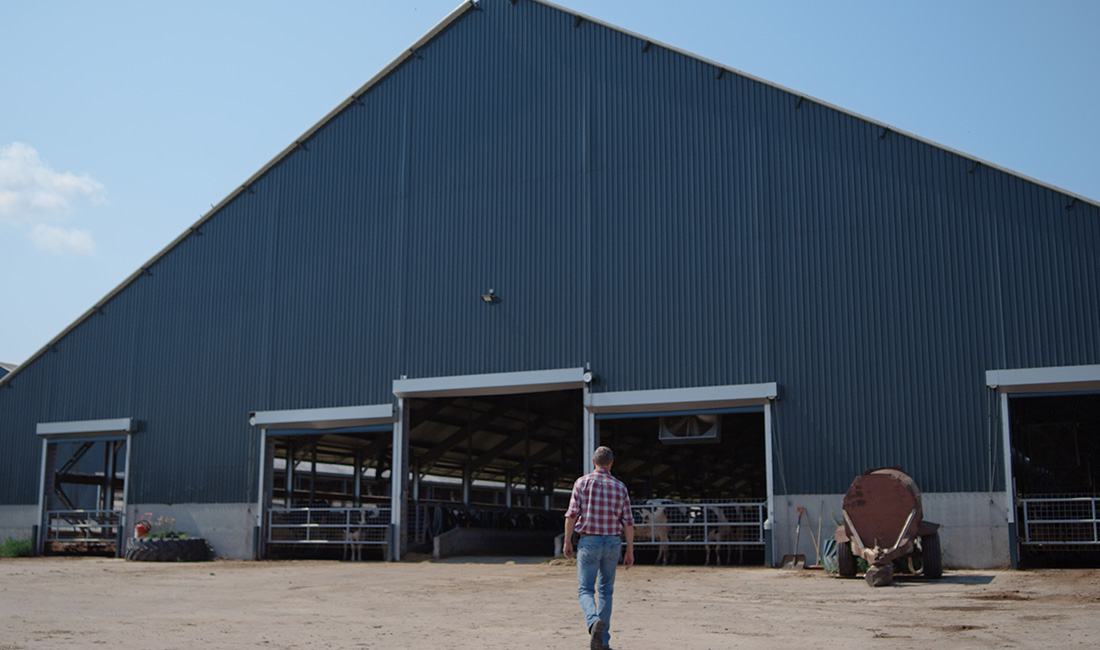
An uninsulated pole barn really makes itself known all year. Cold air slips through the walls, heat drifts out the roof, and moisture starts collecting around equipment, animals, or shouse living areas.
In post-frame construction, these gaps hit the wallet. Thin metal skins and wide framing bays let heat move fast.
IMPs are the simplest retrofit for ag-buildings by combining insulation, structure, and interior finish into a single rigid panel that mounts right over existing walls and roofs.
Each panel uses a steel skin bonded to a foam core, and the R-value is tested—not guessed. The insulation and finish arrive as one piece, so there’s no messing around with batts, liners, or vapor barriers.
Fewer steps, fewer mistakes, and less downtime. That’s the real-world difference with IMPs.
Retrofit options can look similar at first, but costs, labor, and results vary a lot. Some approaches focus only on insulation, while others overhaul the entire wall system. Here’s how IMPs stack up against traditional choices, why installation details matter for ag-buildings, and situations where an IMP retrofit just makes sense for a pole barn or shouse.
What Are the Hidden Costs of an Uninsulated Pole Barn?
An uninsulated pole barn racks up ongoing expenses. Temperature swings, moisture, and airflow issues damage equipment, stored goods, and even the building itself.
- Lost Use: Maybe the barn was for storage, but summer heat or winter cold can make it nearly unusable. Tools, feed, and vehicles end up sitting idle for long stretches.
- Condensation: Warm, humid air hits cold metal and turns into water droplets on walls and ceilings. It’s like indoor rain—dripping onto gear, causing rust, mold, and ugly stains.
- Ventilation Limits: Basic vents move air but don’t control moisture. Humidity keeps coming, so condensation can stick around even with vents wide open.
- Equipment Wear: Heat and cold cycles stress metal, rubber, and electronics. Batteries wear out faster, seals crack, and wiring just doesn’t last as long.
- Structural Damage: Moisture trapped against steel siding and fasteners speeds up corrosion. Eventually, this means loose panels or roof repairs sooner than you’d like.
- Added Retrofits: Adding fans, ridge vents, or dehumidifiers to fight moisture means more power use and maintenance. Without real insulation, these fixes only go so far.
- Operating Costs: Heating or cooling systems work overtime in uninsulated spaces. Energy bills climb, and results are still uneven.
How Do Traditional Insulation Options Stack Up?
Traditional pole barn insulation needs separate materials and steps. That means more labor and more chances for gaps that hurt R-value and code compliance.
- Fiberglass Batts: Upfront costs are low since batts use cheap glass fiber. R-values range from R‑11 to R‑30, depending on thickness. The open fiber soaks up moisture, so it can sag and lose contact with framing. That leads to poor thermal performance, mold, rodents, and failed code checks.
- Spray Foam: Closed-cell foam expands and cures to about R‑6 to R‑7 per inch. It fills cracks and blocks air, but needs trained crews, protective gear, and squeaky-clean surfaces. Retrofitting older barns with dust, oil, or manure gets tricky and expensive fast.
- Reflective Bubble Foil: Installs quickly with staples or tape. It reflects radiant heat but offers little conductive R-value. Works as intended only with a sealed air gap, which many barns don’t have but codes might require.
- Common Pain Point: Every option forces extra layers—framing, insulation, vapor barrier, and liner. Each new layer means more install time and more seams that could fail.

Why Do IMPs Change the Retrofit Game for Ag-Buildings?
IMPs take the headache out of pole barn retrofits. They combine insulation, condensation control, and wall finish into one system.
The “All-in-One” Advantage
IMPs act as a complete wall and roof assembly, not just another layer. Each panel brings an exterior steel face, a closed-cell foam core, and an interior steel liner.
The foam core gives continuous insulation—most IMPs deliver R-8 or higher per inch, depending on thickness. That means less heat loss through studs and fasteners, so energy efficiency improves for both heated shops and livestock barns.
Separate steps like installing batts, vapor films, and liners? Gone. Labor time drops, install errors shrink, and there are fewer seams where air and moisture can sneak in.
All with one product:
- Insulation: Continuous foam stops thermal bridging
- Interior finish: Washable steel liner shrugs off dirt and moisture
- Condensation control: Sealed joints manage air and vapor movement
A Built-in Vapor Barrier
Condensation causes corrosion, mold, and wet bedding in ag-buildings. IMPs tackle this head-on.
Both metal faces block water vapor, and panel joints get sealed with gaskets or sealant. Air can’t pass through, so moisture never reaches cold surfaces to condense.
IMPs act as a factory-built vapor barrier, not a film that’s easily torn or missed. No more worries about sagging poly or leaky seams.
This really matters in buildings with big temperature swings—calving barns, workshops, or grain handling spaces. Stable interior surfaces mean less dripping, less rust, and fewer moisture headaches down the line.
Structural Rigidity
IMPs stiffen up pole barn walls and roofs. Each panel works as a single structural unit, with steel skins and foam core bonded together.
Unlike batts or foil-faced systems, IMPs don’t compress or shift over time. Insulation values stay steady and walls keep their shape.
Better resistance to wind and daily bumps from equipment or animals. Panels can even span longer gaps between girts, saving on extra framing in many retrofits.
Key structural effects:
- Rigid panels: Hold shape under load
- Stable R-value: No sagging or compression
- Cleaner walls: Fewer dents and tears than soft systems
IMPs vs. Traditional Methods: Which Installation Wins?
IMPs install faster and with fewer steps than traditional insulation. One finished panel goes straight onto the building frame.
- Process: Traditional insulation means framing, adding batts or blankets, sealing a vapor barrier, and installing a liner. That’s three or four passes. With an IMP retrofit, one insulated steel panel gets fastened to existing purlins or girts in a single pass. Labor time drops and scheduling headaches shrink.
- Labor: IMPs combine insulation, vapor control, and finish in one. Crews handle fewer materials and spend fewer hours on install. Less downtime for barns in use.
- Finish: IMPs come with a factory-applied white steel interior face. It’s smooth and washable, ideal for ag buildings that need regular cleaning. Fiberglass and foam need a separate liner to match that.
- Durability: Steel-faced panels shrug off rodents and birds. Soft insulation can tear or compress, losing performance. IMPs stay intact and need fewer repairs.
- Cost Over Time: IMPs usually cost more per panel, but lower labor and almost no maintenance can balance it out over the years.
What Are the Best Practices for Retrofitting with IMPs?
Best practices focus on fit, fastening, and sealing so insulated metal panels actually perform as intended on old barns.
- Assessing Structure: Check purlin and girt spacing before ordering panels. IMPs span certain distances—usually 4 to 8 feet, depending on thickness and load. Sometimes, minor framing tweaks are needed so panels sit flat and handle wind and snow loads without extra stress.
- Panel Selection: Pick IMP thickness based on target R-value and how the building’s used. Many deliver around R-8 per inch thanks to the continuous foam core. That means fewer thermal breaks compared to layered systems.
- Fastening Method: Use approved clip systems or through-fasteners made for retrofits. These handle panel movement from temperature swings—steel expands and contracts, after all. The right fasteners cut down on oil-canning and joint fatigue over time.
- Sealing at Joints: Apply butyl tape or sealant at every joint and penetration. Butyl stays flexible in cold and heat, keeping a tight seal as panels shift. That’s better air control and less moisture sneaking into the wall cavity.
- Moisture Planning: Tackle condensation before installing panels. IMPs serve as both insulation and vapor control, so there’s no need for extra vapor barriers that might trap moisture in ag-buildings.

Frequently Asked Questions
Insulated metal panels combine insulation, cladding, and weather control in a single system. In ag-building retrofits, they impact energy use, moisture control, install time, and the way the building shell performs after upgrades.
What are the benefits of using Insulated Metal Panels (IMPs) in agricultural buildings?
IMPs use two steel skins bonded to a rigid foam core. With insulation sandwiched between continuous steel facings, heat loss drops sharply compared to systems with gaps or compressed batts.
Most IMP cores deliver about R-7 to R-8 per inch. This lets barns and shops hit target R-values with thinner walls, so there’s more usable interior space.
The panel joints create a continuous air and water barrier when installers use manufacturer-approved seals. In real-world use, this reduces condensation on metal surfaces and helps protect stored equipment, feed, and livestock.
How can IMPs be installed in an existing pole barn?
Teams usually remove old metal siding and fasten IMPs directly to wall girts or added sub-framing. The panels run post to post, cutting down on the number of layers to deal with.
IMPs show up as factory-cut panels with finished exteriors. This means fewer on-site steps since insulation, cladding, and weather control all go up at once.
Crews can check water tightness during installation using field spray tests. Catching leaks early limits headaches before interior finishes go in.
What considerations are important when choosing insulation for metal ag-buildings?
It’s important to control heat flow, air leaks, and moisture together. IMPs tackle all three—the foam core resists heat transfer, and the sealed joints keep air movement in check.
Panel color and profile play a role. Dark, flat panels soak up more heat and can stress the wall, so lighter colors or profiled panels tend to work better on long walls.
Fire rating, wash-down needs, and animal exposure matter too. It’s best to confirm core type, coating system, and wall assembly ratings with the manufacturer before ordering.
Can retrofitting a pole barn with IMPs improve its overall structural stability?
IMPs add stiffness to wall assemblies. The bonded steel skins act together when fastened correctly.
Basically, these panels help walls resist movement from wind loads. That extra rigidity matters, especially in rough weather.
However, this stiffness doesn’t replace posts, girts, or bracing. IMPs support the structure but don’t take over as the main framing.
Engineers usually check fastening patterns and spans during retrofit design. They want to make sure the upgraded wall system works with the original pole barn frame—never against it.
Want to Know More About Our Products?
View All Products Now