
Fire Safety First: IMP Ratings, Standards, and FM Approvals Explained
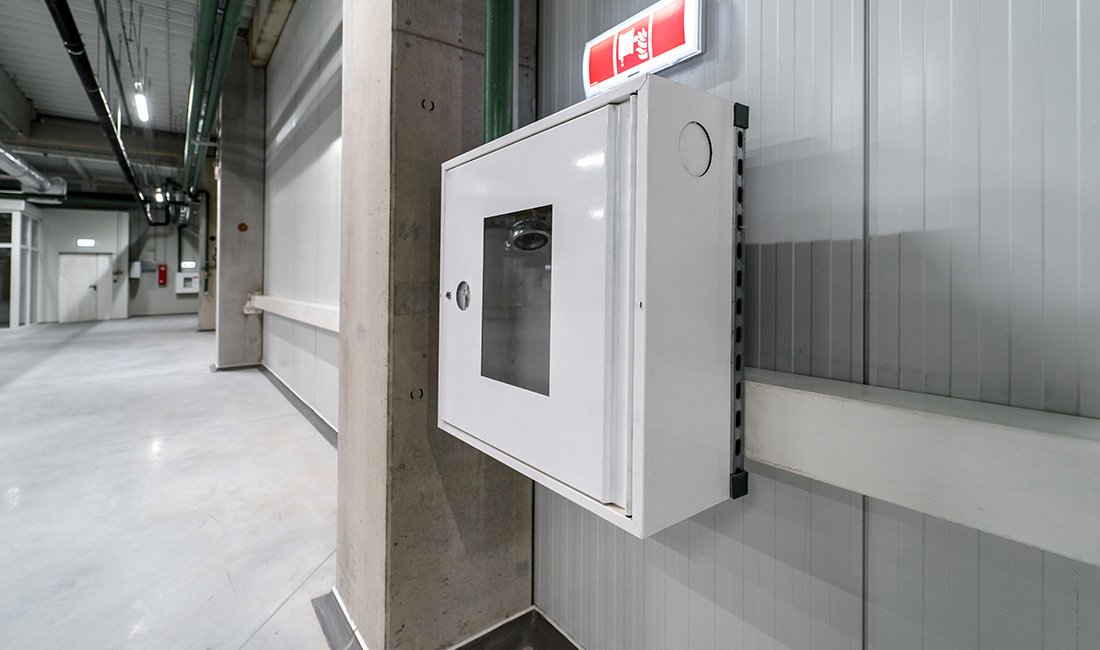
In high-stakes environments like cold storage and data centers, fire safety is the ultimate “loss prevention” tool. While Insulated Metal Panels (IMPs) provide vital thermal control, their internal insulation can act as fuel if the system isn’t properly verified.
This guide moves beyond basic labels to explore how complete wall and ceiling assemblies perform under pressure. We will break down the crucial difference between fire reaction and resistance, the rigor of FM Approvals, and how choosing the right certification directly impacts your insurance costs and long-term risk.
Why Is The Distinction Between Reaction And Resistance So Critical?
The difference matters because reaction to fire shows how building materials behave at ignition, while fire resistance measures how a whole wall assembly performs during a fire over time.
- Reaction to Fire: This checks how a material responds to flame—flame spread, heat release, smoke. Tests like EN 13501-1 sort materials from non-combustible to easily ignited. In real life, this shows how fast fire can race across a surface.
- Material Choice: Core materials such as mineral wool, PIR, or PUR act differently in early fire stages. Teams pick materials that slow flame spread and smoke, giving people more time to evacuate.
- Fire Resistance: This rates how long a wall assembly can hold up—keeping its structure, insulation, and load support—while under fire. Ratings like 30 or 60 minutes come from full-scale fire tests of the whole system.
- System Performance: Fire resistance covers the panel, joints, fixings, and seals acting together. Fire always finds weak spots, so testing the entire assembly reveals how long it can slow fire moving between spaces.
- Design Impact: Reaction controls how quickly fire grows at first. Resistance controls how fire spreads over time. For designers and owners, knowing the difference helps guide safer choices for walls, roofs, and compartment lines.
Which Global Testing Standards Actually Matter for Your Project?
The standards that count are the ones your local building code requires, your insurer demands, and the fire risk profile of the building calls for.
- Building Codes
Most projects start with the International Building Code (IBC). The IBC points to tested fire resistance standards, since code officials want proof that assemblies perform as built. For the design team, this spells out which tests a wall or roof needs to pass for approval. - ASTM E119
ASTM E119 measures how long an assembly resists fire exposure—think one- or two-hour ratings. This test puts direct heat on the assembly to see if it stays intact long enough for people to get out and for firefighters to respond. - ASTM E84
ASTM E84 checks flame spread and smoke development on surfaces. So, interior finishes must limit flame travel and smoke to meet code. - NFPA 285
NFPA 285 tests entire exterior wall systems, not just single materials. It looks at fire spread both up and sideways—key for IMPs and insulated wall assemblies on multi-story buildings. - FM 4880
FM 4880 focuses on interior wall and ceiling systems. Insurers like FM Global want to see data on fire growth and heat release, not just time ratings. - NFPA and FM Together
The National Fire Protection Association (NFPA) standards guide life safety. FM Approvals focus on property loss. Projects insured by FM Global often need both to line up.

What Makes FM Approval More Than Just Another Certification?
FM Approval sets rules that go beyond code checks. It ties real fire exposure, tough testing, and ongoing audits to property loss prevention—all backed by FM Global’s experience.
Property Loss Prevention Vs. Minimum Life Safety Codes
FM Approval is all about protecting buildings and equipment, not just making sure people can get out safely.
- Scope: FM Approval tests fire protection equipment for property loss prevention, while many codes only focus on life safety and evacuation. FM looks at how systems limit damage after a fire starts—not just how fast people can escape.
- Standard: FM uses its own loss prevention standards, based on FM Global claims data. Owners get designs that reflect real fire losses seen in warehouses, plants, and data centers.
- Outcome: FM Approved systems usually control fire spread faster. That means less downtime and lower repair bills after an incident.
The Rigor Of The “Diamond Mark”: From Labs To Full-Scale Tests
FM Approval requires big fire tests—not just lab bench work.
- Method: FM runs full-scale fire scenarios, like the 25-foot corner test, on walls, ceilings, and assemblies. Small lab tests just can’t show how flames and heat really move.
- Verification: Products have to perform under set fuel loads, airflow, and ignition sources. FM tests match real building fires—not just ideal lab setups.
- Result: The Diamond Mark means the product performed under tough, real-world fire exposure.
Why Ongoing Factory Audits Are A Game Changer
FM Approval isn’t a one-and-done deal.
- Process: The certification includes regular factory audits. FM checks materials, dimensions, and assembly steps against the approved design.
- Control: This keeps manufacturers from quietly changing designs in ways that could affect fire performance. Buyers know today’s product matches what FM tested.
- Continuity: Ongoing surveillance keeps approval active—not just a historical badge. That means consistent performance over the years.
How Does Specifying FM Approved Products Benefit Your Bottom Line?
Specifying FM Approved products lowers financial risk because they pass FM Approvals testing focused on property loss prevention. That lines up with FM Global’s insurance risk models.
- Insurance Alignment: FM Approved products meet standards set by FM Approvals, which is tied to FM Global insurance. Since FM Global bases risk ratings on these standards, projects with FM Approved products usually face fewer headaches during underwriting. In practice, this can make policy reviews smoother and insurance terms more predictable.
- Verified Fire Performance: FM Approved products go through fire exposure and performance testing under set conditions. Designers can predict how products will behave in a fire with more confidence. For owners, that means fewer surprises when planning fire protection.
- Reduced Loss Severity: FM standards focus on limiting fire spread and heat transfer. By slowing damage to building systems and contents, these products help control repair costs after a fire. In real terms, that can mean less cleanup and lower replacement bills.
- Business Continuity: FM Approved assemblies protect equipment, inventory, and interiors. If critical assets stay usable or repairable, operations can restart faster. For facilities with tight schedules, that’s a big deal for revenue and delivery commitments.
- Faster Approvals: Engineers and insurers recognize the FM Approved mark. Reviewers trust the test data, so project approvals often move quicker. This helps avoid delays that pile on labor and financing costs.
How Can You Ensure Compliance on Your Next Project?
Teams ensure compliance by picking tested systems, confirming third-party approvals, and installing everything exactly as evaluated.
- Verification: Teams should check that insulated metal panels have a listed FM Approval or a defined fire-resistance rating, like a 1-hour or 2-hour assembly. That means looking up the FM Approval Guide or a trusted testing directory to confirm the exact panel, core, and fastening method.
- Early Coordination: Architects and contractors get a jump by working with fire engineers early. Since fire ratings apply to the whole wall or roof system, not just a single product, early review can prevent last-minute design changes that throw off schedules and permits.
- System Matching: Specify components that match the tested system—panel thickness, joint details, insulation type. Don’t swap in substitutes that might change how the system behaves in a fire.
- Installation Control: Contractors need to follow the as-tested installation details from the approval listing. That means using the same fastener spacing, joint treatment, and penetrations as in the test.
- Documentation: Keep shop drawings, approval listings, and inspection records handy for code review. Owners and inspectors get clear proof that the installed system meets fire and insurance requirements.

Frequently Asked Questions
What does FM Approval signify for fire protection systems?
FM Approval means a product has passed rigorous loss-prevention tests set by FM Global. Unlike basic safety labels, it confirms that a product—whether it’s an IMP or a sprinkler—will perform reliably under extreme conditions to minimize property damage. Insurers globally recognize this mark as a sign of significantly lower risk.
How can a product achieve FM Approval for fire safety standards?
The process involves three strict phases: a technical design review, grueling physical testing (like the full-scale corner test), and initial factory audits. Approval is not a one-time event; manufacturers must pass ongoing audits to ensure every product off the line matches the original tested design.
What is the process for searching FM Approval certificates?
All certified products are listed in the FM Approvals Approval Guide or the RoofNav database. These searchable directories provide the specific approval numbers and the exact conditions under which the product is rated for use. Checking these databases is a critical step to avoid installation errors that could void your insurance.
Can you explain the IMP fire ratings and their importance in fire safety?
Individual material ratings (like ASTM E84) only tell part of the story. System-wide ratings show how the panels, joints, and fasteners work together to contain a fire. A high system rating gives architects more flexibility in building height and area while providing the “peace of mind” that the facility is resilient against catastrophic loss.
Want to Know More About Our Products?
View All Products Now