
Commercial Wall Cladding: Top Materials for Lasting Value

Your building’s exterior isn’t just about looks. It shields the structure from rain, heat, and impact, all while setting the tone for future maintenance costs.
Commercial wall cladding really sits in the middle of this balancing act. It’s where your design vision meets the realities of weather and daily wear.
The best commercial cladding materials blend durability and style, offering proven lifespans and low maintenance with finishes that fit your climate and budget. Metal panels, for example, can last half a century or longer. That’s because corrosion-resistant alloys slow down surface damage, so you deal with fewer repairs and steadier long-term costs.
Wood and fiber cement give you a warmer, more natural look. But their lifespan depends heavily on how often you seal them and how much weather they see.
Let’s look at how different cladding choices actually perform over time. Maintenance really shapes your return on investment, and systems like rainscreens help keep moisture away from the wall. All of this helps you pick commercial wall cladding that protects your building’s value, not just its appearance.
What Critical Factors Should Drive Your Cladding Decision?
Your cladding choice should follow a clear set of rules. You want to balance safety, durability, energy use, and long-term cost, all based on your building and its location.
- Climate Resilience: Match materials to your environment. Coastal sites get salt spray that eats away at steel, while cold regions deal with freeze–thaw cycles that crack panels. Hot, sunny zones fade finishes fast. Picking UV-stable coatings and tough panels helps cut down on surface damage and color loss.
- Fire Safety & Code Compliance: Don’t compromise on fire ratings. Most commercial projects need Class A fire ratings and NFPA 285 compliance to meet the national building code. This means your wall assembly can limit flame spread and pass inspections for multi-story use.
- Energy Efficiency & Thermal Performance: Look beyond the panel—think about the whole wall. Cladding that supports continuous insulation lowers thermal bridging and boosts thermal performance. You’ll meet energy codes more easily and cut down on heating and cooling bills.
- Impact Resistance: Go for panels rated for impact where traffic is heavy. Dense laminates resist dents and scratches, so you spend less time fixing up entrances and lower walls.
- Lifecycle Costs: Think about maintenance over a decade, not just the upfront price. Materials that need constant sealing or cleaning will quietly eat up your budget.
- Sustainability Goals: Check for recycled content, recyclability, or certified wood. These features help you hit targets like LEED credits without changing how you use the building day to day.
What Are the Top Material Options for Modern Commercial Facades?
There are a handful of proven exterior cladding materials that balance durability, looks, and long-term upkeep for modern commercial buildings.
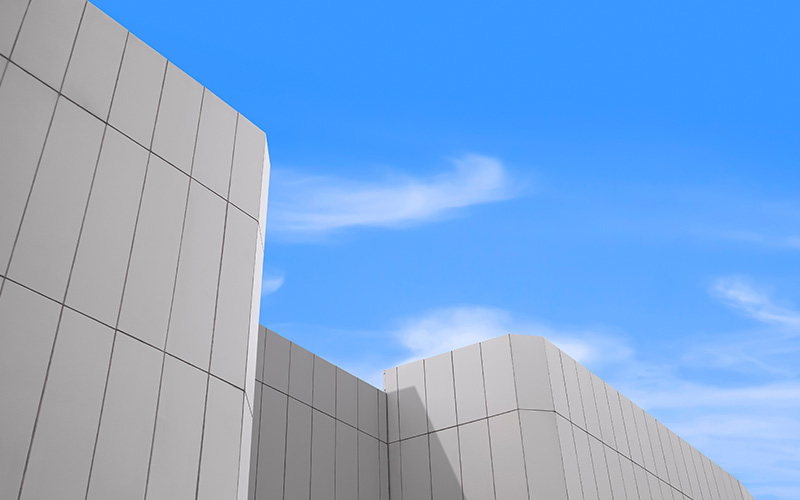
- Metal Cladding (Aluminum & Steel)
You’ll see metal cladding as aluminum cladding, aluminum plate, or metal panels. ACM panels (aluminum composite material) sandwich two thin aluminum sheets around a core. This makes them lightweight yet stiff, so you get big, flat facades without heavy framing. Installs go faster and you get clean, modern lines with barely any maintenance. - Composite Panels (ACM & HPL)
Composite panels include ACM and high-pressure laminate (HPL). HPL is made from resin-soaked paper layers pressed together under heat. It’s tough and resists impacts, with colors and patterns that stay sharp. If you want bold designs, these panels give you options. - Fiber Cement Cladding
Fiber cement panels blend cement, sand, and cellulose fibers. They shrug off fire, moisture, and bugs since there’s nothing for insects to eat. Fiber cement works where codes are strict and maintenance budgets are tight. - Wood Cladding (Natural & Modified)
Wood cladding includes hardwoods like ipe and thermally modified wood. Thermal treatments cut down on moisture absorption, so boards don’t swell as much. You get a natural look, but with better stability. - Stone Veneer & Stucco
Stone veneer uses thin slices of real stone instead of heavy blocks. You get the look of masonry without the weight, which is great for ground floors or accent walls.
How Do These Materials Compare on ROI and Maintenance?
Let’s get into how cladding materials affect your return on investment through maintenance, lifespan, and installation labor.
- Maintenance Needs: Zinc panels build up a natural patina, sealing minor scratches on their own. You’ll spend less on repairs and upkeep. Wood cladding needs re-staining or sealing every few years because weather wears down the finish, so labor and material costs add up. Aluminum panels come coated from the factory and resist corrosion, so usually a simple wash is all you need.
- Longevity: Metal and masonry systems often last 50+ years since they resist rot, bugs, and sun damage. That spreads your investment over decades. Wood usually lasts 20–40 years, depending on how well you maintain it. Fiber cement falls in the 25–50 year range, holding up better than wood against fire and moisture.
- ROI Impact: Materials like metal cost more upfront, but you save on maintenance, so ROI stays steadier. Wood is cheaper at first but can eat away at your ROI with ongoing upkeep.
- Installation Speed: Lightweight systems like ACM put less strain on the structure and install quickly. Fewer labor hours mean faster enclosure and lower construction costs compared to heavier options like masonry.
Why Is the Rainscreen System Crucial for Weather Protection?
A rainscreen system protects your wall by managing water and air movement, not just by relying on the cladding itself.
- Concept: The cladding is your building’s outer shield, but the rainscreen is what manages moisture. It puts a drained, ventilated space between the cladding and the barrier behind it. Water that sneaks past the cladding drains out instead of getting trapped.
- Mechanism: The cavity creates an air gap, usually ¾ to 1 inch deep. Gravity pulls water down and vents let air flow, so the wall dries out faster. This cuts down on mold and wood rot.
- Pressure Control: Vents at the top and bottom balance air pressure across the wall. This lowers the force that pushes wind-driven rain inside, so less water gets to your barrier during storms.
- Material Protection: Absorptive claddings like stucco and stone hold onto water after rain. A rainscreen keeps these materials away from the barrier, reducing how often they get wet. That helps your wall stay solid over the years.
- System Dependence: Even tough cladding can fail if moisture stays trapped behind it. A rainscreen manages both water vapor and bulk water, giving your whole wall a longer life—not just the finish.
Ready to Choose?
Start by matching the material to your building’s risks and use. Fire ratings, weather exposure, and impact zones matter more than color or texture at this stage.
When you set these limits first, you avoid expensive changes later.
Here’s a quick list to help you narrow things down:
- Aluminum composite panels (ACM) work well for big façades. They have a mineral core and thin aluminum skins, so they’re lightweight and fast to install. This means shorter install times on mid-rise buildings.
- Solid aluminum plate is great for ground levels. Thicker metal stands up to dents and impacts, so you get fewer repairs in busy areas.
- Perforated metal panels help with airflow and sun control through their hole patterns. They cut heat gain but let in light and air.
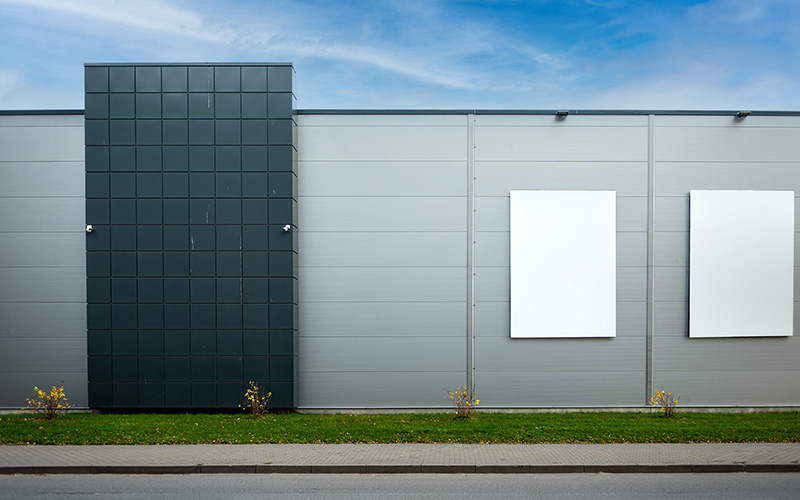
Balance the look you want with how much work you’re willing to put in. PVDF or FEVE coatings hold their color because they use tough resins that slow down fading. That means less repainting for you.
Consult with an architect early. Set your performance needs, then fine-tune the look. If you need to, reach out to a cladding specialist for system details and pricing.
Frequently Asked Questions
What are the most durable materials for outdoor commercial wall cladding?
Fiber cement stands out as a durable choice. It mixes cement, sand, and cellulose fibers into rigid panels. The cement base won’t rot or warp, so you can use it in wet or dry climates and it’ll stay steady.
Metal cladding is also solid outdoors—just pick the right alloy and coating. Aluminum resists corrosion thanks to a natural oxide layer, so you get fewer rust problems in coastal or humid areas.
Galvanized or stainless steel panels add impact resistance. Your walls can handle frequent bumps and wind-blown debris without denting or failing.
What new cladding materials offer enhanced durability for commercial buildings?
High-pressure laminate (HPL) panels offer controlled durability. Layers of kraft paper and resin, cured under heat, resist UV fading and surface cracks. Colors stay sharp even on sunny walls.
Mineral-core composite panels boost fire and moisture protection. The mineral-filled core slows flame spread, helping you meet stricter fire codes on bigger or busier buildings.
Some PVC-based exterior panels now come with UV stabilizers. That slows down color fading and chalking in the sun.
Which cladding options are considered the best for external walls of commercial properties?
Fiber cement is a strong pick if you need fire resistance and long life. Its non-combustible makeup keeps you on the right side of code and cuts down on maintenance.
Metal panels fit buildings that need lighter wall systems. Aluminum panels lighten the structural load, which can save you on framing during construction.
Composite panels are good if you’re juggling cost and finish control. You get consistent sizes and factory finishes, so installation stays predictable.
How do architectural cladding panels compare in terms of durability and aesthetic appeal?
Architectural panels give you a mix of strength and design freedom. Aluminum panels, for instance, handle precise bends and coatings well.
You get clean lines and a lightweight finish with aluminum, which feels surprisingly modern. Fiber cement panels come with factory-applied finishes, offering plenty of texture and color options.
That means you can achieve a consistent look across big facades, and there’s less fuss on-site. Glass-reinforced or composite panels bring smooth surfaces and crisp joints to the table.
They look sharp but aren’t as tough against impacts. Still, for office or retail exteriors where access is controlled, they’re often the go-to choice.
Want to Know More About Our Products?
View All Products Now