
Cold Room Panel Thickness Guide: How to Choose 50mm to 150mm for Every Temp Range
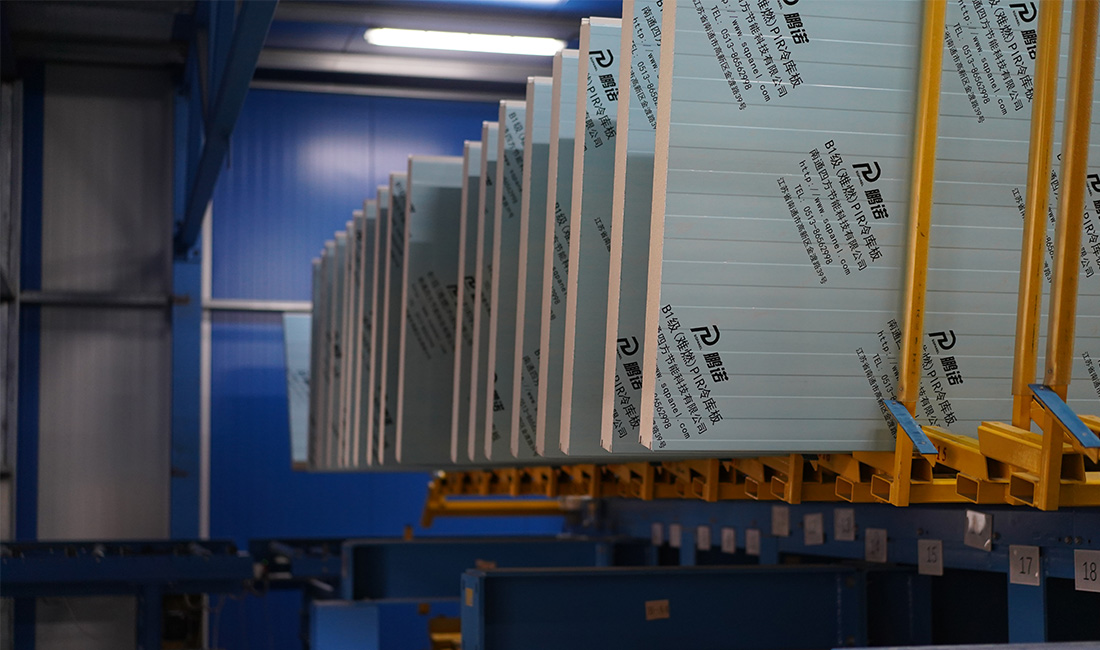
Cold room performance really hinges on panel thickness—it’s what controls heat flow and energy use. But honestly, figuring out the right thickness for your actual temperature needs, traffic, and loading areas can be a headache. Here, we’ll look at PIR panels, where even a small change in thickness can mean a big difference in heat loss and how hard your compressor has to work.
For most jobs, 50–75 mm panels work for chillers near 0 °C to 5 °C, 100 mm panels are the go-to for freezers around −18 °C, and 150 mm panels are best for deep-freeze spaces below −40 °C. Thinner panels save space and money at milder temps, but thicker panels are what keep products safe and energy bills in check when it gets really cold.
We’ll compare 50 mm to 150 mm PIR panels by how they handle heat, where they get used, and what you trade off. High-traffic areas—where doors open a lot—lose heat faster and usually need thicker insulation. The main thing? Pick the thickness that fits your temp, usage, and risk without wasting money or cutting corners.
The Essential Role Of PIR Cold Room Panel Thickness In Thermal Management
PIR cold room panels act as a barrier, adding thermal resistance between warm and cold zones. Thickness decides how much heat sneaks in, which then shapes power use, temp stability, and product safety.
Understanding How Panel Thickness Influences Energy Consumption And R-Values
Panel thickness bumps up thermal resistance, or the R-value. A thicker PIR core means heat has a longer path to travel. So as thickness goes up, less heat gets in and compressors don’t have to work as hard. That means lower energy bills and steadier temps.
For example, a 100 mm PIR panel can use about 25–30% less energy than a 50 mm panel under the same conditions. That’s real savings and less chance of spoilage.
As you go thicker, thermal insulation gets better. R-value rises, so heat transfer slows down and inside temps stay steadier.
Technical Comparison And Functional Analysis Of 50mm, 75mm, 100mm, And 150mm PIR Panels
Different thicknesses handle different temp ranges and workloads. PIR insulated panels change how much heat gets through, affect condensation, and shift energy use—depending on both thickness and joint design.
The Application Of 50mm PIR Panels In Chilled Processing And High-Temperature Storage
50mm PIR panels are for spaces running 5°C to 15°C. You’ll see them in food processing, pharma packing, and short-term fruit storage.
These panels use PIR foam with low thermal conductivity, usually around 0.022–0.026 W/m·K. Since the temp difference isn’t huge, this thickness keeps moisture out without making the walls too thick.
You get stable surface temps and easier cleaning.
They’re quick to install—lightweight and slim. That’s handy if ceiling height is tight or you’re retrofitting. But honestly, they’re not for freezers. Heat gain jumps fast as temps drop.
Utilizing 75mm PIR Panels For Standard Cool Rooms And Ante-Rooms
75mm PIR panels fit the 0°C to 8°C range. Think cold drink stores, veg hubs, and ante-rooms. They help buffer temp swings from frequent door openings.
The extra 25mm cuts heat transfer compared to 50mm panels. Internal surfaces stay above the dew point more often, so you’ll see less condensation on walls and ceilings.
This thickness is a middle ground—good insulation without eating up too much space. A lot of people pick it for transition zones. The joints are tighter too, so air leaks less.
The Role Of 100mm PIR Panels As The Industry Standard For Freezers
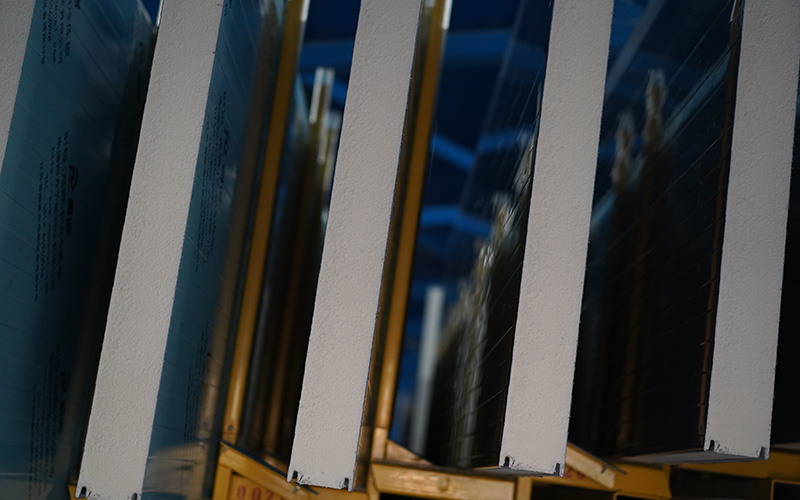
100mm PIR panels are the workhorse for freezers at -18°C to -25°C. Meat storage, seafood warehouses, cold chain hubs—most rely on this thickness.
At 100mm, the PIR core chops steady-state heat flow down to what commercial freezers can handle. Compressors don’t run as long, so you use less energy and keep pull-down times predictable.
This thickness also adds structure—steel facings of 0.4–0.7 mm keep panels from bowing on wide spans. Installers often treat 100mm as the baseline for compliance; it’s a sweet spot for cost and performance.
Implementing 150mm PIR Panels For Industrial Blast Freezers And Deep Cold Storage
150mm PIR panels handle tough jobs: -35°C to -45°C. Tunnel freezers, chemical storage, and freezers in hot climates go for this thickness to manage extreme temp gaps.
The thick core really slows heat getting in during rapid freezing. Compressors can focus on the product, not fighting wall losses. You get stable temps during blast cycles.
This thickness stiffens things up at low temps. Joints are wider, keeping foam-to-foam contact and stopping thermal bridging. Sure, you lose a bit of space, but most folks accept that to protect their process and equipment.
Strategic Selection Guide: How to Choose the Right Cold Room Panel Thickness for Your Project
Cold rooms work best when panel thickness matches the storage temp and site needs. Focus on temp range, space constraints, and heat load to keep energy use down and performance up.
When To Choose 50mm Or 75mm Panels Vs. 100mm Panels
50mm and 75mm panels are for cold rooms above freezing. They use thinner polyurethane or polystyrene cores, which is fine when the temp gap isn’t huge. That means more usable floor space and lower material costs without overloading your refrigeration.
100mm panels are for frozen goods near -18°C. The thicker core means heat has a longer path, so compressors don’t have to work as much. You get less temp swing when doors open and close.
One thing: thinner panels at freezing temps can get cold bridging at joints. Thicker panels help by spanning a wider area, keeping surfaces more stable.
When To Choose 100mm Vs. 150mm Panels For Low-Temperature Applications
100mm panels are solid for standard freezers with steady loads and normal door use. They’re fine for -18°C storage in moderate climates and power situations—good balance of build cost and energy use.
150mm panels step in for tougher jobs. Hot regions, where it’s 35°C or more outside, push heat at your walls nonstop. The extra thickness gives you a longer insulation path, slowing that heat down.
If you have high-turnover spaces, like blast freezers, 150mm helps too. Lots of door cycles mean warm air keeps getting in. With thicker panels, you recover target temps faster and keep products safer.
Evaluating the Advantages and Disadvantages of Different Insulation Thicknesses
Panel thickness shapes insulation, energy use, and how much space you have left. The trick is to find the sweet spot between temp control, cost, and layout in the real world.
Key Advantages Of Investing In Optimized PIR Panel Thickness
PIR panels shine because the foam has low thermal conductivity—usually around 0.022 W/m·K. This keeps heat out, so refrigeration systems don’t have to cycle as often.
For a PU sandwich panel in a -5°C to -20°C room, bumping up from 75mm to 100–120mm can cut compressor starts. Projects often see 15%–25% lower energy use, depending on climate and door activity.
Thicker panels also add structure. At 100mm to 150mm, they resist bending across bigger spans, so ceilings and tall walls need fewer supports. That makes layout planning easier.
Potential Disadvantages Of Excessive Panel Thickness
Go too thick, and you lose usable space. If a warehouse swaps 150mm panels for 100mm, that’s 100mm gone from each wall. In tight aisles, that could mean losing a pallet spot. That’s a real hit to storage.
Thicker panels cost more upfront. More foam, heavier steel—prices and shipping weights go up. Install takes longer too, since bigger panels need more muscle and stronger fixings.
If you overdo it on thickness in rooms above 0°C, panels over 100mm probably won’t give you much extra insulation for the money. Sometimes, the extra cost just isn’t worth the tiny gain in energy savings.
Addressing High-Frequency Thermal Loss In Loading Docks And High-Traffic Zones
Loading docks and transfer corridors constantly break the thermal envelope. Doors open all the time, trailers come and go, and air rushes in and out. Every time a door opens, warm, humid air sneaks into cold rooms—raising the energy load and making surface condensation more likely on panels.
Panel thickness really matters here, even more than in static storage. Cold storage sandwich panels in the 75mm to 100mm range slow down heat flow, since the thicker insulated core buys you time during those quick door-open events. The room temperature bounces back faster after each cycle, which is a relief when things get hectic.
High-traffic areas also struggle with air sneaking in around dock levelers and door edges. If the seals aren’t tight, you get constant leaks, not just brief losses. Pairing low-conductivity PIR cores with snug dock seals helps keep this in check. Operators notice steadier temperatures and fewer compressor starts—always a good thing.
Traffic patterns shape the design, too. Forklift routes and staging zones mean doors stay open longer. Thicker panels can’t stop air movement, but they do slow down how fast the walls heat up. For the facility, that means lower peak loads during busy times and steadier wall temperatures. It’s not perfect, but it helps.
Procurement Checklist For PIR Cold Room Panels
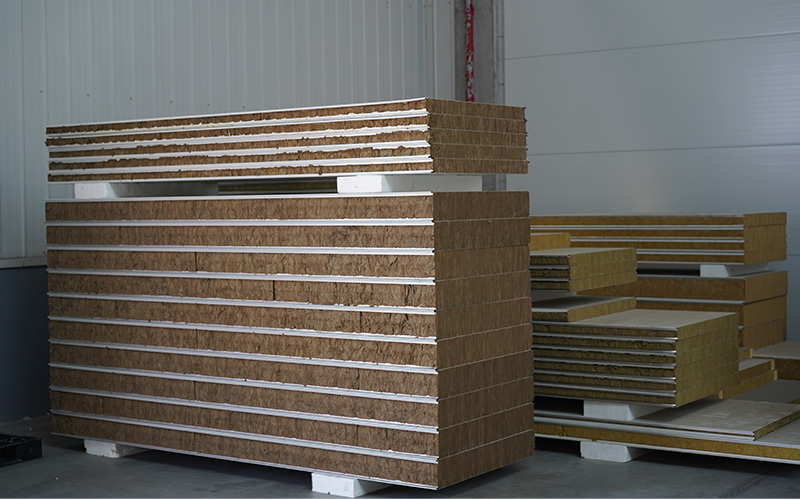
When you’re picking panel thickness, think in this order: target temperature range → PIR material performance → cost payback period. PIR has a closed-cell foam structure with low thermal conductivity. Since the cells trap gas and block heat flow, thicker panels cut down heat gain and let compressors rest more. You’ll see steadier temperatures and more predictable energy use.
PIR panels usually come in 50mm to 150mm thicknesses. More depth means more resistance to heat, so thicker panels work better for lower setpoints. Operators get fewer temperature swings and less wear on the refrigeration, especially in freezers.
PIR also offers more predictable fire behavior than standard PUR. Many PIR panels meet recognized fire classifications, which lines up with warehouse and food facility safety requirements—no need to change the panel layout for that.
This checklist helps match panel thickness to real-world demands, not just the room size on paper.
Frequently Asked Questions
Which factors determine the optimal cold room panel thickness?
The target storage temperature sets the starting point. Chillers above 0 °C often use 50–75 mm panels. Freezers below −18 °C usually need 100–150 mm.
Ambient conditions matter, too. Hot outdoor air and lots of door openings bring in more heat, so thicker panels help keep temperatures steady. You’ll notice fewer swings during busy days.
Room size and height play a role. Bigger spans put more weight on the panels, so thicker sections help support everything.
What are the insulation properties of PUF panels at various thicknesses?
PUF panels cut heat transfer by trapping gas in the foam core. At 50 mm, U-values are around 0.45–0.50 W/m²K—good enough for coolers and short-term storage.
At 100 mm, U-values drop to about 0.22–0.25 W/m²K. That means slower heat gain in freezers and longer breaks for compressors.
At 150 mm, U-values can get close to 0.15 W/m²K. You get better temperature stability in colder or busier rooms.
How does panel thickness impact energy efficiency in cold storage rooms?
Panel thickness directly affects the U-value, which shows how much heat gets through the wall. Lower U-value? Less heat sneaks in, so the refrigeration system doesn’t run as much.
If you move from 75 mm to 125 mm panels, you clearly cut down heat transfer. In real-world use, compressors run less and you save on electricity.
Energy savings really show up in hot climates or around-the-clock operations. Thicker panels help hold the line during those brutal outdoor temperatures.
What is the relationship between cold room panel thickness and structural integrity?
Thicker panels stand up to bending thanks to a deeper foam core sandwiched between metal skins. That extra depth makes them stiffer, so you don’t need extra internal framing.
In practice, you get wider panel spans and can build taller walls. Fewer supports mean a more open, uncluttered interior—always a plus.
Ceiling panels really show the difference. They have to hold up their own weight and whatever gets put up there, so using 100–150 mm panels keeps things straight and joints sealed for the long haul.
Want to Know More About Our Products?
View All Products Now